Cats Ornament Review: A Designer's Take on Small-Scale Stitching
As someone who spends most of their day staring at digitized files and listening to the hum of embroidery machines, I have developed a keen eye for what works in the hoop and what ends up as a puckered mess. When I first loaded the Cats Ornament design onto my screen, my initial reaction was one of cautious optimism. In the world of machine embroidery design, "cute" is a common descriptor, but execution is everything. This file promises high detail within a compact footprint, a combination that often spells trouble for stitchers if not handled correctly. However, after reviewing its structure and imagining its application in real-world scenarios, I see significant potential for those willing to pay attention to the nuances of small-scale stitching.
First Impressions: Charm Meets Technical Precision
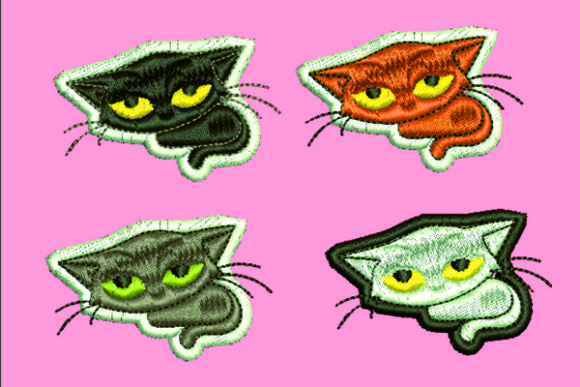
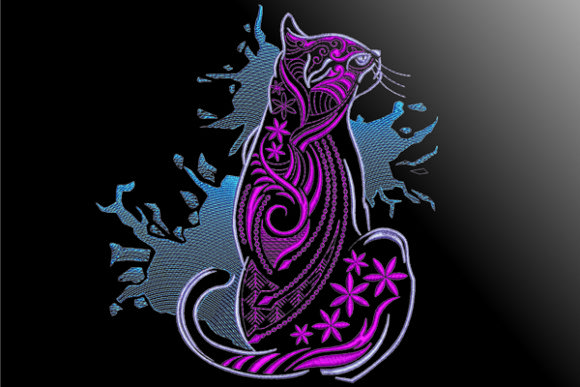
The visual personality of the Cats Ornament is undeniably charming. It captures that whimsical, playful mood that resonates deeply with customers looking for personalized gifts or boutique children's wear. The layout is tight, maximizing the available space without feeling cluttered. What stands out immediately is the balance between the satins stitch outlines and the fill stitch areas. For a design categorized under Cats, it avoids the overly cartoonish look that can sometimes cheapen a product, opting instead for a slightly more refined aesthetic that still retains its adorability.
From a designer's perspective, the detail level is impressive for such a small motif. Often, when we zoom in on petite designs, we find jagged edges or poorly defined features. Here, the lines appear crisp, suggesting a thoughtful digitizing process. The theme naturally lends itself to nursery decor, baby showers, and holiday collections. It feels like a design that was created with the end-user in mind—someone who wants a finished product that looks professional rather than homemade in the negative sense of the word.
Real-World Application: From Tote Bags to Baby Onesies
To truly evaluate an embroidery file, you have to move beyond the screen and imagine the needle hitting the fabric. Let's consider a specific scenario: a custom order for a local boutique needing a run of embroidered tote bags for a spring collection. The Cats Ornament would be an excellent candidate here. Placed on the lower corner of a canvas tote, the small size allows it to act as a subtle brand marker or a decorative accent without overwhelming the bag's utility.
Similarly, think about baby embroidery. Parents are constantly seeking unique items for their little ones, and this design fits perfectly on the chest pocket of a denim jacket or the front of a soft cotton onesie. Because the description notes it is very suitable for children's clothes, I envision it working beautifully on gender-neutral palettes, using pastel thread colors to soften the look or bold primaries for a pop of fun. For an Etsy seller or small shop owner, this versatility is gold. You aren't limited to one niche; you can market this as part of a "Kitten Collection" that includes aprons, pillow covers, and even embroidered patches intended for iron-on application.
The design also holds promise for holiday embroidery. Imagine a set of kitchen tea towels featuring this cat motif, perhaps paired with a seasonal message. The compact nature of the design means it won't interfere with the towel's function, yet it adds enough visual interest to make the item feel like a thoughtful, personalized gift.
Navigating the Challenges of Small Details
While the potential is high, we must address the technical realities. The description highlights "small sizes but very good details." This is a double-edged sword. When working with intricate elements in a confined space, the choice of fabric texture becomes critical. On a smooth, tightly woven cotton or a stable polyester blend, the Cats Ornament will likely shine. However, attempting this on a highly textured towel or a loose-knit sweater could result in lost definition. The tiny details might get swallowed by the fabric's pile or shift during washing.
Furthermore, stitch density is a factor to watch. Small designs often require higher density to maintain shape, which can lead to stiffness if the area is too concentrated. If you are applying this to stretchy fabrics like jersey knits for custom apparel, the risk of puckering increases. It is imperative to use the correct stabilizer. For a project like a sweatshirt, a cut-away stabilizer might be necessary to support the weight of the stitches over time, whereas a tear-away might suffice for a rigid tote bag.
Curved surfaces present another hurdle. If you plan to use this on a cap or a structured hat, ensure the design fits well within the curve of the front panel. Small, detailed corners can sometimes pull or distort on rounded surfaces if the hooping technique isn't precise. Always test your tension settings; what looks perfect on flat fabric might behave differently on a curved plane.
Enhancing Brand Value and Customer Trust
In the competitive landscape of handmade goods, the quality of your design assets directly impacts your brand consistency. Using a well-digitized file like Cats Ornament signals to your customers that you care about quality. A clean, crisp stitch-out builds trust. Conversely, a design that frays or loses detail after the first wash can damage your reputation. This particular design, with its focus on clarity and appropriate scaling, supports a professional presentation.
For those creating printable mockups or digital previews for their online shops, the distinct shape of this cat motif photographs well. It reads clearly even in thumbnail images, which is crucial for click-through rates on platforms like Etsy. The visual appeal translates into buyer engagement, helping your small shop product stand out in a crowded marketplace.
Practical Notes for the Professional Stitcher
Before committing this design to a client's expensive garment, I strongly advise running a series of tests. Here is a checklist to ensure success:
- Scrap Fabric Testing: Always stitch the design on a scrap piece of the actual fabric you intend to use. This reveals how the material reacts to the needle penetration.
- Thread Contrast: Experiment with different thread colors. While the default preview might look good, testing high-contrast combinations can highlight the details better, while monochromatic schemes can offer a sophisticated, tone-on-tone look.
- Hoop Size Verification: Confirm that the design fits comfortably within your available hoop size, leaving enough margin for the machine to operate without hitting the hoop edges.
- Density Check: Inspect the back of the test stitch-out. If there is excessive thread buildup, you may need to adjust your machine tension or consider a different stabilizer strategy.
- Licensing Confirmation: Since many users are craft business owners, always verify the license terms. Ensure you are permitted to sell the finished product commercially if that is your intention.
- Mockup Variations: Create black-and-white mockups to check the silhouette integrity. If the design loses its form in grayscale, the details might be too fine for certain applications.
In conclusion, the Cats Ornament is a delightful addition to any digital library, provided it is treated with the respect its detailed nature demands. It bridges the gap between whimsical charm and professional utility, making it a versatile tool for designers, makers, and entrepreneurs alike. By understanding its limitations regarding fabric choice and stabilization, you can leverage this design to create stunning, high-value items that customers will love and cherish.