Lady Bug Review: A Versatile Asset for Small Business Merch
As an embroidery designer who spends countless hours digitizing and testing files for commercial use, I approach every new machine embroidery design with a critical eye. It is not enough for a file to look cute on a screen; it must perform flawlessly under the needle when applied to real-world products. Today, I am reviewing the Lady Bug applique design. This piece falls squarely into the Bugs category but transcends simple decoration to become a viable tool for brand identity. For small business owners, Etsy sellers, and apparel decorators, finding a design that balances charm with professional durability is often the difference between a one-off sale and a recurring merchandise line.
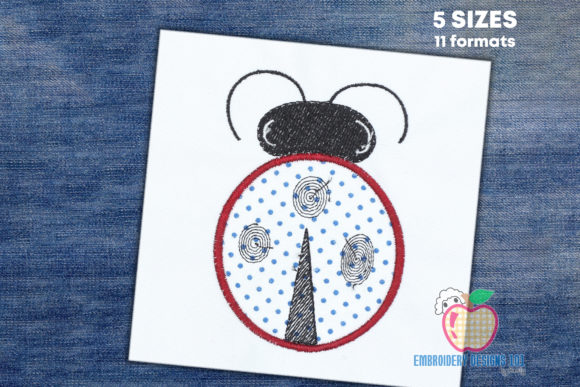
My first impression of the Lady Bug is that it strikes a perfect balance between playful and premium. In the world of Embroidery, insect motifs can sometimes feel too childish or overly realistic in a way that clashes with branding. However, this design feels friendly and approachable, making it an excellent candidate for boutique merchandise, creative studios, and local businesses looking to add a touch of whimsy without sacrificing professionalism. The fact that it is an applique design immediately signals higher perceived value. Applique adds texture and dimension, turning a flat logo into a tactile experience that customers love to touch.
Real-World Applications for Branded Merchandise
When evaluating a digital embroidery file for business use, I always visualize where it will live on the finished product. The Lady Bug is incredibly versatile. Imagine a local bakery wanting to brand their staff uniforms. A small ladybug patch on the chest of a white apron creates an instant visual connection to nature and sweetness, reinforcing the brand's story. Similarly, for a florist or garden center, this design works beautifully as a sleeve detail on work shirts or as a central motif on canvas tote bags given out at farmers' markets.
For handmade brands selling on platforms like Etsy, consistency is key. Using the Lady Bug across different items—such as a cap, a patch, and a product tag—creates a cohesive look. Because the steps are separated by color changes, this embroidery file allows for easy customization. You can swap thread colors to match specific brand palettes, ensuring that the red of the wings or the black of the spots aligns perfectly with your company's hex codes. This adaptability makes it a strong asset for custom apparel lines where variety is essential.
I also see great potential for this design in the realm of customer gifts and event merch. A coffee shop could offer a limited edition embroidered patch featuring the Lady Bug as a loyalty reward. The tactile nature of applique makes these patches highly collectible. Furthermore, for pet brands, this design could be adapted for bandanas or collar tags, tapping into the lucrative pet accessory market while maintaining a high-quality aesthetic.
Navigating Technical Challenges in Production
While the aesthetic appeal is high, a professional review must address the technical realities of production. There are specific scenarios where the Lady Bug requires careful handling. If you intend to use this as a tiny chest logo on a polo shirt, you must verify the stitch density. Applique designs involve multiple layers: the base fabric, the applique material, and the covering stitches. If the design is scaled down too small, these layers can bunch up, causing puckering or loss of detail.
Curved surfaces present another challenge. Applying this design to the front of a structured cap requires precision. The curvature of the cap front can distort the circular shape of the ladybug if the stabilizer is not chosen correctly. I strongly recommend using a cut-away stabilizer for caps and heavy-use items like aprons to ensure the design remains stable after repeated washing. For textured fabrics, such as heavy canvas tote bags or fleece jackets, test the design first. The contrast between the smooth satin stitches of the bug and the rough texture of the fabric can be striking, but it can also hide fine details if the fabric pile is too high.
Additionally, consider the color contrast on dark uniforms. The classic red and black of a ladybug usually pops well, but if your brand colors are darker, you may need to adjust the thread chart. Always run a test stitch-out on the actual garment material before committing to a large production run. This step is crucial for maintaining customer trust; nothing damages a brand's reputation faster than peeling edges or distorted logos on new merchandise.
Elevating Brand Identity and Customer Perception
The choice of imagery directly impacts how customers perceive a brand. The Lady Bug evokes feelings of good luck, nature, and transformation. For a creative studio or a wellness brand, incorporating this symbol into their design assets can subtly communicate these values. When executed as a high-quality embroidered patch, it elevates the perceived value of the item. A t-shirt with a printed ink design might cost $20, but the same shirt with a detailed embroidered patch can command $35 or more. This increase in product value is vital for small businesses trying to maximize margins.
Visual consistency builds recognition. If a boutique uses the Lady Bug on their hang tags, shopping bags, and staff aprons, it creates a unified brand experience. This level of detail shows customers that the business cares about quality and presentation. In an era where mass-produced goods dominate, offering handmade product elements or custom-branded merchandise helps a business stand out. The texture of the embroidery invites engagement, encouraging customers to interact with the brand physically.
Essential Designer Notes for Commercial Use
Before integrating the Lady Bug into your commercial workflow, there are several practical steps you must take. First, test the design in black and white or grayscale. This helps you evaluate the contrast and spacing without the distraction of color. Ensure that the spacing between the applique fabric and the border stitches is sufficient to prevent fraying over time.
Confirm the hoop size requirements. While the description notes that the file comes in multiple formats, you must ensure your machine's hoop can accommodate the largest version of the design, especially if you plan to use it as a back patch on a jacket. Always create a printable mockup for client approval. Showing a digital representation alongside a physical stitch-out sample can help clients visualize the final result and approve the placement.
Finally, pay close attention to the licensing terms. The product description states, "Please do," which implies there are specific restrictions or instructions regarding usage. Since exact license terms, stitch counts, and specific file formats were not fully detailed in the provided text, you must verify these details with the vendor before using the Lady Bug for commercial embroidery projects. Ensuring you have the right to sell items made with this design is non-negotiable for protecting your business.
In conclusion, the Lady Bug embroidery applique is a robust and charming addition to any designer's library. With its potential for diverse applications ranging from cap embroidery to tote bag design, it offers significant value for small business merch. By paying attention to technical details like stabilizer choice and sizing, and by leveraging its strong visual personality, you can create branded items that resonate with customers and stand the test of time.