Roulette Embroidery Design
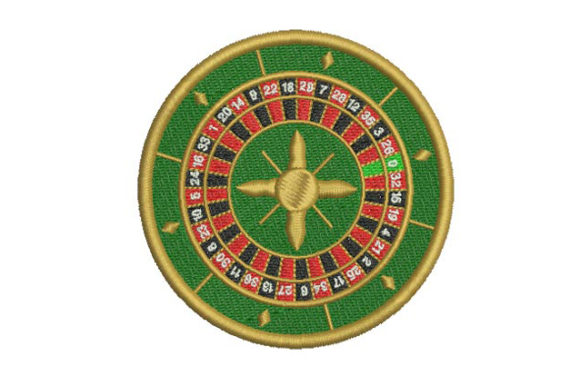
The Roulette embroidery design is a standout piece that blends the excitement of gaming with the artistry of machine embroidery. As part of a collection featuring French playing card suits, dice, and chips, it offers a unique visual element that can elevate a range of craft fair products. With a 4x4 hoop size, it's versatile enough for many fabric types and project sizes.
First Impressions of Roulette
Roulette carries a bold and slightly whimsical vibe. It’s not overly cute or rustic but has a modern edge that fits well in both casual and more refined handmade product displays. The design feels premium without being too flashy, making it suitable for a variety of customer tastes. Its clean lines and recognizable imagery make it instantly legible, which is key for attracting attention at a craft fair booth.
Best Products for Roulette Embroidery
Roulette shines on items like tote bags, aprons, and kitchen towels where its graphic nature can be showcased effectively. As a tote bag design, it adds a playful yet professional touch that appeals to both casual shoppers and those looking for statement pieces. On aprons, it can serve as a focal point that draws the eye and invites conversation. Tea towel embroidery with Roulette can add a fun twist to everyday household items, making them perfect for gift-giving.
Embroidered patches are another excellent medium for Roulette. Its compact size allows it to work well as a small accent on jackets, backpacks, or even as a standalone patch for customizing clothing. Fabric pouches and market bags also benefit from the design, as it can act as a signature element that makes the product stand out among competitors.
Visual Appeal and Customer Engagement
Roulette has strong visual appeal that can capture customer attention at a glance. Its design is simple enough to be memorable but detailed enough to feel authentic. When displayed on a booth table, it can act as a conversation starter, especially when paired with other game-themed designs from the same collection. This helps reinforce brand consistency and makes the entire product line more cohesive.
For Etsy sellers and small shop product creators, Roulette offers an opportunity to create visually engaging listings. Its clarity and structure make it easy to photograph for online listings, and its recognizable theme can help attract buyers searching for game-inspired handmade items. As a commercial embroidery design, it has potential for repeatable production, which is essential for batch manufacturing.
Practical Selling and Production Considerations
Roulette is relatively straightforward to produce, but there are some considerations to keep in mind. The design works best as a larger focal point rather than a small accent, as smaller sizes may lose some of its detail. When using it on curved surfaces like caps, careful placement is needed to ensure the design remains clear and centered.
Thread colors should be chosen carefully to match the intended fabric. Dark fabrics may require contrasting threads for visibility, while lighter materials can allow for more subtle color choices. Stabilizer use is important, especially on textured towels or thick fabrics, to prevent puckering and maintain stitch quality.
Stitch density is another factor to consider. If the design has dense areas, it may require additional stabilizer or a different hoop size to ensure smooth results. Testing the embroidery file on scrap fabric before mass production is always a good idea to catch any issues early.
Careful-Use Notes for Embroidery Designers
When working with Roulette, pay close attention to any tiny details or small lettering that might not show up well on certain fabrics. Thick or textured materials can sometimes obscure fine elements of the design, so adjusting the hoop size or using a different stabilizer may be necessary. For dark fabrics, ensuring sufficient contrast between the thread and the background is crucial for visibility.
As a digital embroidery file, Roulette should be tested on multiple fabric types to confirm how it performs. Creating at least one real mockup—such as an embroidered patch or a small tote bag—can help visualize how the final product will look in person. Comparing fabric colors and testing different thread combinations can also improve the overall finish of the finished product.
Design Assets and Commercial Use
Roulette is likely part of a larger set of design assets, which can be valuable for creating a cohesive product line. For commercial embroidery projects, it’s important to confirm the licensing terms before selling finished products. This ensures that the design can be used legally and avoids any potential issues down the line.
Printable mockups can help showcase the design in different contexts, making it easier to present to customers or use in marketing materials. As a machine embroidery design, Roulette offers flexibility for use in both handmade product creation and large-scale commercial embroidery operations.
Final Thoughts on Roulette
Roulette is a versatile and appealing embroidery design that can enhance a wide range of craft fair products. Its bold yet elegant style makes it suitable for both casual and more sophisticated handmade items. Whether used on tote bags, aprons, or embroidered patches, it has the potential to draw attention and drive sales.
For embroidery business owners and creative entrepreneurs, Roulette offers a practical and visually striking option for adding game-themed elements to their product lineup. By following best practices for production and presentation, it can become a valuable addition to any handmade shop or Etsy store.
As with any embroidery file, testing and customization are key to achieving the best results. By taking the time to understand how Roulette performs on different fabrics and in various applications, designers can maximize its impact and ensure it meets the needs of their customers.