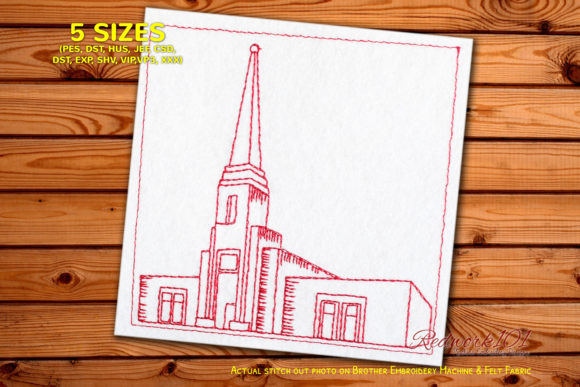
Tower in Abidjan Redwork: A Designer's Review
As a designer who spends more time at the hoop than away from it, I approach every new machine embroidery design with a mix of curiosity and skepticism. We've all downloaded files that look stunning on a screen but turn into a thread-breaking nightmare on the machine. Today, I'm taking a close look at the Tower in Abidjan Ivory Coast Redwork. This isn't just a quick glance at a thumbnail; this is an evaluation of how this specific embroidery file holds up when you are trying to create a high-quality handmade product for a client or your own boutique.
The first thing that strikes me about this design is its mood. Redwork has a nostalgic, folk-art charm that instantly warms up a project. The silhouette of the tower, likely referencing the iconic architecture found in Africa, brings a sense of place and travel without being overly complicated. For a craft business owner, this is gold. It tells a story. When I visualize this stitched out, I don't see a generic icon; I see a piece of art that respects the simplicity of single-color stitching while maintaining a strong visual identity.
Visual Personality and Project Fit
The layout of the Tower in Abidjan Ivory Coast Redwork is clean. In the world of Embroidery, clean lines mean fewer jumps and a neater finished product. The design relies on the strength of the outline rather than dense fill areas, which is characteristic of true redwork. This makes it incredibly versatile. I can immediately see this working beautifully on a natural linen tote bag design, where the rustic texture of the fabric complements the simple running or satin stitches used in the pattern.
Imagine a scenario where a customer commissions a set of kitchen towels for a housewarming gift. Using this design in a deep crimson thread against cream-colored waffle weave creates a striking contrast. It feels bespoke and thoughtful, elevating a standard personalized gift into something that looks like it came from a high-end home goods store. Similarly, for custom apparel, this design shines on the chest pocket of a denim jacket or the sleeve of a canvas apron. It's small enough to be subtle but distinct enough to be recognized.
One specific note from the product description mentions that "The Box Stitch shown in picture is optional." As a reviewer, I appreciate this flexibility. In many commercial projects, you want the graphic to stand alone without a border that might clash with the garment's seams or pockets. Being able to skip the outer box allows us to adapt the design assets to fit irregular spaces, such as curved hems or near zippers, giving us more creative freedom.
Performance on Different Fabrics
Let's talk about the nitty-gritty of stitching. How does the Tower in Abidjan Ivory Coast Redwork perform on actual materials? Because it appears to be a line-based design, it is generally forgiving on textured fabrics like towels or heavy cotton canvases. However, caution is needed when moving to stretchy knits. If you are attempting sweatshirt embroidery or baby embroidery on a onesie, the lack of dense fill means the fabric can easily distort if not properly stabilized.
I would strongly recommend using a cut-away stabilizer for any stretchy material. Since redwork often uses a single thread color, any puckering will be immediately visible against the negative space of the fabric. For a finished product that needs to withstand frequent washing, like a tea towel or a child's bib, the stability of the stitch is paramount. The open nature of the design helps it remain flexible, preventing that stiff "cardboard" feel that sometimes plagues heavily filled logos.
What about dark fabrics? Redwork traditionally implies red thread on white, but modern thread colors offer endless possibilities. Gold or metallic thread on a navy blue velvet pillow cover could look luxurious. However, you must check the stitch density. If the lines are too thin, they might get lost in the pile of velvet or fleece. Always run a test stitch-out on a scrap piece of your intended fabric. This is non-negotiable for professional results.
Navigating Technical Challenges
Every design has its quirks. With the Tower in Abidjan Ivory Coast Redwork, the primary area to watch is the detail level in the tower's architectural features. Intricate corners and sharp angles in a single-color outline can sometimes lead to bird-nesting if the machine speed is too high or the tension is off. When stitching on curved surfaces like caps, ensure your hooping technique is tight and secure. A loose hoop on a structured cap can cause the design to shift, ruining the symmetry of the tower.
Additionally, since the product notes mention that the color of the outer box varies or can be skipped, pay close attention to the stop codes in your digital embroidery file. If you choose to include the box, ensure the thread change is smooth. If you skip it, verify that the file doesn't leave unnecessary jump stitches where the box used to be, which would require manual trimming and cleanup.
Commercial Viability and Branding
For the Etsy seller or the owner of a small shop product line, consistency is key. This design offers a strong anchor for a collection themed around travel, geography, or cultural appreciation. It adds value to a printable mockup because the lines are crisp and render well in digital previews. Customers browsing online need to see clarity; a muddy or overly complex design often gets scrolled past. The simplicity here works in your favor for click-through rates.
However, before listing items featuring the Tower in Abidjan Ivory Coast Redwork for sale, you must confirm the licensing terms. Just because a file is available for download doesn't automatically grant commercial embroidery rights. Check whether the license allows for unlimited physical sales or if there is a cap on the number of finished items. Protecting your craft business means respecting intellectual property and ensuring you aren't inadvertently violating terms that could lead to takedowns or legal issues.
From a branding perspective, this design exudes professionalism. It avoids the cluttered look of amateur digitizing. When a customer receives a tote bag or a patch with this clean, intentional imagery, it builds trust. They perceive the maker as someone who cares about quality and aesthetic cohesion. Whether used for holiday embroidery gifts or year-round boutique merchandise, the design holds its own.
Final Verdict for Makers
In conclusion, the Tower in Abidjan Ivory Coast Redwork is a solid addition to a designer's library. It balances artistic flair with technical practicality. It is not a "set it and forget it" file; it demands respect for fabric choice and stabilization, but the rewards are a polished, professional-looking item. Whether you are creating a one-off embroidered patch for a friend or launching a new line of custom apparel, this design provides a reliable foundation.
My advice? Download the file, but don't rush to the machine. Study the stitch path in your software. Check the hoop size requirements to ensure it fits your intended placement. Test it on both light and dark backgrounds to see how the contrast plays out. By treating this embroidery project with the diligence it deserves, you transform a simple digital file into a tangible piece of art that resonates with people. That is the difference between a hobbyist and a pro.