Bone Applique Design: A Pro Review for Real Projects
When I first pulled up the Bone Applique Design on my screen, I wasn't looking for just another cute graphic to fill space in my digital library. As someone who spends hours hooping fabric, trimming threads, and managing client expectations, I need designs that translate from a pixelated preview to a tangible, high-quality finished product. This design sits squarely in the Dogs category, but its utility goes far beyond simple pet portraits. It is a versatile asset for anyone running a craft business or creating handmade products for friends and family.
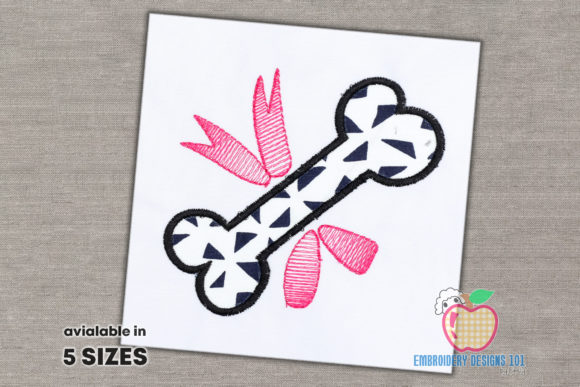
The immediate impression of this machine embroidery design is one of playful simplicity. The shape is iconic and instantly recognizable, which is crucial for embroidery project success. When customers see a design, they need to understand it within seconds. The bone motif achieves this effortlessly. However, as an applique design, the real test lies in how the layers interact. Will the fabric bunch? Are the stitch types appropriate for the material? Let's break down how this file performs in the real world.
Visual Personality and Project Fit
The layout of the Bone Applique Design suggests a clean, modern aesthetic. It doesn't rely on overly complex shading or tiny, fragile details that often get lost in translation when stitched out. Instead, it uses bold shapes that lend themselves well to various thread colors. This visual personality makes it an excellent candidate for custom apparel. Imagine this stitched onto a toddler's sweatshirt embroidery project; the clean lines hold up beautifully against soft fleece or cotton blends.
For Etsy sellers and boutique owners, versatility is key. This design feels at home on a canvas tote bag design, adding a whimsical touch to a grocery carrier or beach bag. It also works wonderfully as an embroidered patch. If you are looking to create merchandise for a dog walking service or a local pet shelter, this asset provides a professional look without requiring advanced digitizing skills. The separation of steps by color changes, as noted in the product description, streamlines the workflow, allowing you to swap fabrics or threads efficiently during the stitching process.
Real-World Application: The Custom Tote Scenario
To truly evaluate this digital embroidery file, I envisioned a specific real-life scenario: preparing a custom order for a client who runs a small dog daycare. They needed branded small shop products that were durable enough for daily use but cute enough to sell at the front counter. I decided to test the Bone Applique Design on a heavy-weight canvas tote.
The process began with selecting the right stabilizer. Since applique involves layering fabric, a cut-away stabilizer is often safer than tear-away to prevent distortion over time, especially on items that will be washed frequently. As the machine began the running stitch outline, the placement looked precise. The subsequent fabric placement and tack-down stitches held the applique material firmly. When the final satin stitch or fill stitch border kicked in (depending on your specific machine settings and the file's inherent structure), the result was crisp.
The finished product exuded quality. The edges were clean, and the theme fit the brand perfectly. A customer picking this up in a store would immediately associate it with fun and care. For holiday embroidery gifts, such as a stocking for a new puppy owner, this design offers a timeless appeal that doesn't feel dated after the season passes. It bridges the gap between a personalized gift and a commercial-grade item.
Navigating Fabric Challenges and Technical Details
While the design is robust, there are areas where caution is necessary. Not every surface is ideal for every embroidery file. If you plan to use this on stretchy fabrics like jersey knits for baby embroidery projects, you must be vigilant about stabilization. The weight of the applique fabric combined with the stitching can cause lightweight knits to pucker if not properly supported.
Similarly, consider the hoop size. While the description mentions compatibility with multiple machines, always verify the dimensions against your specific hoop before committing to a large batch. If you are working on curved surfaces, such as a cap or a structured hat, the flat nature of the bone shape might require careful positioning to avoid wrapping around the curve awkwardly. Textured fabrics like towels can also be tricky; the loops of the towel might interfere with the fine edges of the applique, so a water-soluble topping is highly recommended to ensure the stitch density sits cleanly on top of the pile.
Dark fabrics present another consideration. If you are stitching a light-colored bone onto a black hoodie, ensure your underlay stitches are sufficient to prevent the dark background from peeking through the lighter applique fabric. Testing on scrap fabric first is not just a suggestion; it is a requirement for maintaining brand consistency and customer trust.
Enhancing Value and Professionalism
In the world of commercial embroidery, the difference between an amateur-looking item and a premium product often comes down to stitch clarity and finish. The Bone Applique Design, when executed correctly, elevates the perceived value of the base item. A plain t-shirt becomes a statement piece; a simple pillow cover transforms into nursery decor. This boost in visual appeal directly impacts buyer engagement.
For those selling design assets or finished goods, the professionalism of the output matters. Clean corners and consistent thread tension show attention to detail. This design supports that level of quality because it avoids unnecessary complexity that often leads to thread breaks or bird nests. It allows the maker to focus on the presentation of the finished product rather than fighting the file.
Designer Notes for Success
Before launching this design into your production line, keep these practical tips in mind:
- Test First: Always stitch a sample on the exact fabric you intend to use for the final product.
- Check Contrast: Ensure your thread colors contrast sufficiently with both the applique fabric and the base garment for maximum visibility.
- Review Density: Inspect the stitch density in the preview software. If it looks too dense for thin fabric, you may need to adjust settings or change materials.
- Mockups: Create black and white mockups to see how the design reads without the distraction of color. This helps assess the strength of the shape.
- Licensing: Since the product description notes it comes with multiple formats, confirm the licensing terms. Ensure you are cleared for commercial use if you plan to sell items featuring this Dogs themed art.
- Stabilizer Choice: Match your stabilizer to the fabric weight. Heavier appliques generally demand more support.
Ultimately, the Bone Applique Design is a solid addition to any embroiderer's toolkit. It balances charm with technical feasibility, making it suitable for everything from printable mockup previews to physical craft fair products. By understanding its strengths and respecting its limitations regarding fabric and hoop constraints, you can create stunning Embroidery pieces that resonate with buyers and stand the test of time. Whether you are decorating a kitchen towel or branding a line of custom apparel, this design offers the reliability and aesthetic appeal needed to succeed in today's creative market.