Horseshoe Applique Design Review for Pros
As an embroidery designer who spends more time staring at stitch simulations than most people care to admit, I am always on the hunt for designs that bridge the gap between quick production and high-end aesthetics. Recently, I came across the Horseshoe applique pattern on Creative Fabrica. With a backlog of custom apparel orders and a need for fresh boutique merchandise, I decided to evaluate this machine embroidery design to see if it holds up under the scrutiny of real-world commercial use.
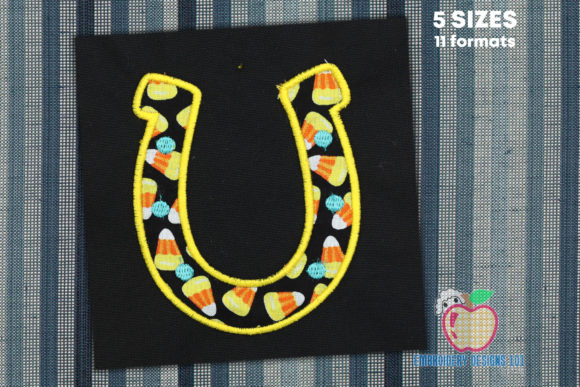
My first impression of the Horseshoe design was its clean, classic silhouette. In the world of Horses themed Embroidery, it is easy to find overly complex western motifs that get lost on smaller items. This design, however, leans into simplicity. The visual mood is rustic yet refined, making it versatile enough for a high-end nursery decor piece or a rugged work apron. The separation of steps by color changes suggests a thoughtful approach to layering, which is crucial for achieving that professional "handmade product" look without the headache of excessive thread breaks.
Evaluating Real-World Application
The true test of any digital embroidery file is how it translates from the screen to the fabric. I imagined running this Horseshoe pattern on a variety of substrates common in my shop. For custom apparel, such as a left-chest logo on a denim jacket or a centered motif on a heavy cotton sweatshirt, the applique style offers a fantastic texture contrast. Unlike a standard fill stitch that can sometimes look flat on thick fleece, an applique design adds dimension. The fabric layer within the horseshoe shape would catch the light differently than the surrounding satin or running stitches, elevating the perceived value of the garment.
For those running an Etsy shop or selling at craft fairs, versatility is key. This design fits naturally onto tote bag design projects. A canvas tote with a stitched horseshoe feels artisanal and durable. It also works well for seasonal handmade gifts; imagine a set of kitchen towels where the horseshoe acts as a subtle, lucky charm accent near the hem. Because the steps are separated by color changes, it allows for customization. You could easily swap the applique fabric to match a customer's brand colors or personal preference, turning a stock design into a personalized gift.
I also considered its potential as an embroidered patch. If you are using a tear-away stabilizer and cutting close to the edge, this shape is sturdy enough to stand alone as a badge of honor for equestrian enthusiasts. The clear definition of the shape ensures that even when scaled down for a cap or a small pouch, the iconic curve of the horseshoe remains recognizable.
Technical Considerations for Professional Results
While the aesthetic appeal is strong, a professional review must address the technical execution. When working with applique designs, stitch density is a critical factor. Dense stitching can cause puckering, especially on stretchy fabrics like jersey knits used in baby items or fitted tees. Before committing to a full production run, it is essential to test the Horseshoe design on scrap fabric similar to your final material. Pay close attention to the edges of the applique; if the securing stitches are too tight, they might chew through delicate fabrics.
Hoop size is another variable to verify. Although specific dimensions were not listed in the brief description, applique designs often require slightly larger hoops to accommodate the fabric placement and the tack-down stitches. Always confirm the hoop requirements on the Creative Fabrica product page to ensure your machine can handle the frame size needed for your intended project, whether it is a large pillow cover or a small pocket detail.
Working with dark fabric presents its own challenges. If you plan to use this design on black navy, or charcoal garments, ensure your thread colors provide sufficient contrast. A dark thread on a dark applique fabric might render the intricate satin stitch details invisible. Conversely, using a metallic or bright thread for the outlining stitches can make the design pop against a dark background, enhancing the visual appeal for product photography.
Stabilizer choice cannot be overstated. For structured items like caps or bags, a cut-away stabilizer is usually best to prevent distortion over time, especially since these products may undergo frequent washing. For temporary decor or items that need to remain soft, like a baby blanket, a high-quality tear-away might suffice, provided the stitch count isn't excessively high. Since the description notes that steps are separated by color changes, this also gives you the opportunity to pause and adjust tension or add extra stabilizer if the fabric begins to shift.
Impact on Brand and Buyer Trust
In the competitive market of handmade goods, consistency builds trust. Using a well-constructed design like Horseshoe contributes to brand consistency. If your shop specializes in rustic or farm-to-table aesthetics, this motif reinforces your brand identity without needing custom digitization from scratch. The quality of the finished product directly influences buyer trust; neat, crisp edges and proper registration show attention to detail.
Furthermore, the "luck" associated with horseshoes adds an emotional layer to the purchase. Marketing this as a token of good fortune on a printable mockup or social media post can significantly boost customer engagement. It transforms a simple decorative element into a story-driven product. Whether it is a housewarming gift or a new business owner's lucky charm, the narrative sells the item just as much as the stitching does.
Final Verdict and Practical Tips
The Horseshoe applique pattern appears to be a solid addition to a designer's library of design assets. Its strength lies in its adaptability across various commercial embroidery applications, from boutique merchandise to personalized home decor. However, success relies on preparation.
Before launching this design in your shop, follow these practical steps:
- Test on Scrap: Always stitch out a sample on the exact fabric weight you intend to sell.
- Check Contrast: Verify that your chosen thread colors stand out against both the base fabric and the applique fabric.
- Review Density: Inspect the back of the sample for excessive bulk that might irritate skin on wearable items.
- Confirm Licensing: While Creative Fabrica generally offers generous licenses for physical products, always double-check the specific terms on the product page to ensure you are compliant for commercial sales.
- Inspect Details: Look closely at the corners and curves after stitching to ensure the applique fabric is fully secured without fraying.
Ultimately, if you are looking for a reliable, charming motif that saves digitization time while delivering a professional finish, this design is worth considering. Just remember that the quality of your finished product depends as much on your materials and technique as it does on the embroidery file itself. By treating this asset with the care it deserves, you can create stunning pieces that resonate with customers and stand the test of time.